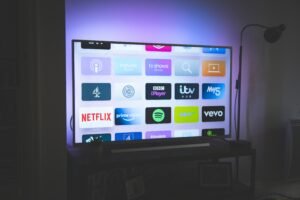



Understanding IPTV
IPTV, or Internet Protocol Television, is a modern method of delivering television programming and other related content through the internet instead of traditional means such as cable or satellite broadcasting. Unlike conventional systems that rely on radio frequency signals, satellite signals, or cable formats, IPTV streams video content over a broadband internet connection, making it a popular choice for many viewers today.
The fundamental difference between IPTV and traditional television formats lies in how the content is transmitted. While cable television utilizes coaxial or fiber-optic cables to deliver content directly from a network provider to your home, IPTV sends video content in the form of data packets via the internet. This allows for greater flexibility and customization, enabling users to select specific programming without being confined to predetermined broadcasting schedules.
To access IPTV services, users typically require a compatible device, an internet connection with adequate bandwidth, and a subscription plan. The infrastructure supporting IPTV includes servers that store vast amounts of content and the necessary software to ensure seamless streaming. Additionally, these services often provide on-demand content, allowing viewers to watch shows and movies at their convenience, a significant advantage over traditional broadcast media.
Various types of content are available through IPTV, ranging from live television channels to video-on-demand services. Viewers can subscribe to a live TV streaming subscription that connects them to their favorite channels through an online TV subscription in the USA, offering an alternative to cable television. Consequently, IPTV has emerged as a popular choice due to its ability to offer a diverse range of programming options, including one of the best IPTV providers for sports, meeting the needs of enthusiasts who prefer to watch live sports events.
How IPTV Works
IPTV, or Internet Protocol Television, represents a shift in how viewers access television content. Utilizing an internet connection, IPTV delivers live TV streaming subscription and on-demand video content directly to viewers. The primary mechanism behind IPTV involves servers that host video content, which is then transmitted via the internet to end-user devices, such as smartphones, smart televisions, and computers.
At its core, IPTV operates using a series of protocols that facilitate the transport of data over the internet. The most common protocols include the Real-time Transport Protocol (RTP) and the Internet Group Management Protocol (IGMP), which manage the streams and data packets that comprise the television broadcast. These data packets contain audio, video, and other information necessary for the seamless delivery of content. For viewers, a stable bitrate is crucial, ensuring minimal buffering, which can disrupt the viewing experience.
One of the key distinctions within IPTV is between live IPTV streams and video-on-demand (VoD) content. Live IPTV allows users to watch real-time broadcasts as they air, making it a preferred option for audiences seeking to watch live TV online services. Conversely, VoD offers the flexibility to select and view previously broadcasted content on-demand, catering to users who prefer convenience over immediacy. Both formats work in synergy to provide a versatile viewing experience, allowing users to choose between what’s trending live and an extensive library of on-demand options.
Furthermore, IPTV technology employs various encoding formats and compression techniques, such as H.264 or HEVC, to optimize content while maintaining quality. By understanding these fundamental aspects, users can appreciate why IPTV is gaining traction as a robust cable TV alternative streaming solution, particularly in the online TV subscription USA market. With so many best IPTV providers for sports and other specialized content, the attraction of streaming service with live channels has never been more evident.
Benefits of Switching from Cable to IPTV
As technology continues to advance, many viewers are reconsidering their choices when it comes to television services. IPTV, or Internet Protocol Television, is gaining popularity as a leading cable TV alternative streaming solution. Here are some notable benefits of switching from traditional cable to IPTV.
One significant advantage is cost savings. Traditional cable TV packages often come with high monthly fees, additional charges for premium channels, and hidden costs. In contrast, a live TV streaming subscription typically offers a more affordable and transparent pricing structure, making it an attractive option for budget-conscious consumers.
Another benefit is the access to a wider selection of channels. IPTV services frequently provide hundreds of channels, including international options that may not be available via standard cable. From sports to news and entertainment, viewers can tailor their online TV subscription in the USA to suit their preferences, exploring a diverse range of content easily.
Personalized viewing options also enhance the IPTV experience. Users can create their own programming schedules, record shows for later viewing, and enjoy on-demand content across various devices like smartphones, tablets, and smart TVs. This flexibility and mobility allow for an experience that traditional cable often cannot match.
Moreover, IPTV services enable viewers to access global content seamlessly. Whether you’re interested in regional programming or international events, having a streaming service with live channels opens up a world of entertainment possibilities.
Testimonials from users highlight the positive experiences many have had after switching to the best IPTV provider for sports and entertainment. Customers often emphasize better content variety, lower costs, and an overall enhanced viewing experience compared to conventional cable offerings.
Choosing the Best IPTV Provider
Selecting the best IPTV provider can significantly enhance your live TV streaming experience. The right provider should align with your viewing preferences while ensuring quality service. One of the first considerations is the channel selection offered by each provider. Different providers may cater to various interests, so it is essential to review the channel lineup to find one that includes your favorite networks. This also extends to the availability of specialty channels, such as those focused on sports or international content, which are particularly important for many users.
Pricing structures also play a crucial role in determining the best provider. Providers may offer different subscription models, ranging from monthly payments to annual plans, often including promotional offers for new customers. Evaluating your budget will help you choose a live TV streaming subscription that meets your financial needs without compromising on required features.
User interface and device compatibility are critical factors to consider when choosing an IPTV service. A user-friendly interface can elevate your viewing experience, making it easier to navigate through channels and content. Moreover, ensure that the IPTV provider is compatible with your devices, such as smart TVs, tablets, or smartphones. Assessing customer support is also vital; a reliable provider should offer prompt and effective support to resolve any issues you may encounter.
When researching potential providers, comparing user reviews and ratings can provide insights into reliability and user satisfaction. Look out for red flags, such as frequent outages, poor customer service, or lack of transparency in pricing. By carefully considering these factors, you can make a well-informed choice, ultimately enjoying a satisfying cable TV alternative streaming experience.