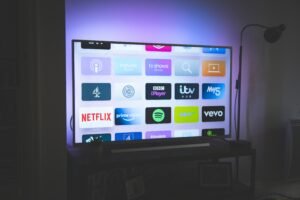



Understanding IPTV
IPTV, or Internet Protocol Television, revolutionizes how audiences consume content by delivering television programming through internet protocols instead of traditional means such as cable or satellite. This technology allows users to stream media on demand, providing them with greater flexibility compared to conventional television models, which often rely on rigid schedules.
One of the primary distinctions between IPTV and traditional cable or satellite services lies in the underlying distribution method. While cable and satellite transmit signals via coaxial cables or satellites, IPTV uses the internet as its conduit. This shift enables viewers to access a wide variety of content, ranging from live TV channels to an extensive library of movies and television shows. Consequently, it opens up a world of entertainment possibilities that can be tailored to individual preferences.
IPTV services typically fall under three categories: live television, on-demand video, and time-shifted TV. Live television allows users to watch broadcasts in real-time, similar to traditional cable services. On-demand video provides users with the ability to select from a catalog of movies and shows whenever they wish, offering convenience and choice. Time-shifted TV enables viewers to watch previously aired programs, broadening their content options significantly.
Adopting IPTV comes with various benefits, including a larger selection of channels, improved picture quality, and the ability to utilize multiple devices. With proper IPTV setup instructions, users can seamlessly integrate their mobile devices to access their subscriptions on the go. As more households transition to this technology, understanding how to use IPTV on mobile devices becomes essential in maximizing viewing experiences.
Setting Up IPTV: Step-by-Step Guide
Setting up IPTV on mobile or other devices requires a few systematic steps that are easy to follow. To begin, the first step is to select an IPTV service provider that suits your viewing needs. After choosing a service, you will need to register for an IPTV service account. This can typically be done using your email address or mobile number. Make sure to provide accurate information during registration, as you will use it for account verification and future logins.
Once registered, the next phase involves downloading the IPTV application. This application is essential for accessing the IPTV channels on your chosen devices. For Android devices, visit the Google Play Store, while iOS users should search for the app in the Apple App Store. If you aim to set up IPTV on Smart TVs or PCs, check if the IPTV service provides a dedicated application or a web portal for access. Follow the respective download instructions to install the application onto your device.
After installation, launch the IPTV app. You will be prompted to log in using the credentials created during your signup process. Enter your username and password to access the content. Some IPTV services may also require an M3U link or EPG link during this process. If that’s the case, consult the IPTV setup instructions provided by your service for specific details. Once logged in, the customization of playlists and channels may be available, allowing you to tailor your viewing experience to your preferences. With these clear steps, you will have your IPTV setup finalized on mobile or other platforms in no time.
Navigating the IPTV App: Features and Functions
Once you have successfully installed the IPTV app, understanding its interface and features is essential for an optimal viewing experience. The IPTV app typically features a user-friendly layout that allows you to browse channels, search for specific content, and explore various categories of movies and shows effortlessly. Familiarizing yourself with these functionalities is crucial to learning how to use IPTV on mobile efficiently.
To start navigating, open the IPTV app and look for the channel lineup on the main screen. Channels are usually categorized by genre, such as sports, news, entertainment, and movies. You can scroll through these categories to find channels that interest you. Some apps also offer a ‘favorites’ section, where you can save frequently watched channels for quick access. By customizing your favorites, you can significantly improve your viewing efficiency.
If you’re searching for specific content, most IPTV apps have a search function. This feature allows you to enter keywords or titles to locate specific shows or movies quickly. Use the search bar strategically by entering the exact titles or related terms to yield optimal results. Additionally, the app may provide suggestions based on popular or trending content, enhancing your discovery process.
Another important feature is the Electronic Program Guide (EPG), which displays detailed information about upcoming programs. Utilizing the EPG allows you to schedule your viewing and ensures you never miss a favorite program. As you navigate the app, be sure to take advantage of tutorial features or help sections if available; these resources can provide valuable tips on how to use IPTV on mobile devices more effectively.
Streaming Content on IPTV: Tips and Best Practices
To effectively stream content using IPTV, the first step is to select the channels or movies you wish to watch. Navigating through an IPTV application typically allows users to browse a myriad of options, including live TV, on-demand movies, and series. Before diving into streaming, ensure you have your IPTV service provider’s credentials and the required app installed on your mobile device. Following the IPTV setup instructions provided by your service provider will ensure that you have access to the necessary features.
When beginning to stream, anticipate a variety of viewing experiences. The quality of your video will depend significantly on several factors, including internet speed, device compatibility, and the bandwidth provided by your IPTV service. A minimum internet speed of 10 Mbps is generally recommended for standard definition, while high-definition content may require speeds of at least 25 Mbps.
To enhance your streaming quality, ensure a stable internet connection. This can be achieved by connecting your device to a Wi-Fi network known for its reliability or by utilizing an Ethernet connection if available. Additionally, close any background applications on your device that may be consuming bandwidth. Within the app settings, check if there are options to adjust the quality of the stream based on your current internet conditions, which may help in reducing buffering issues.
Moreover, periodically updating your IPTV app can resolution issues and integrates new features for enhanced user experience. If your device supports it, consider testing various media players that may offer better performance for your preferred IPTV service. By taking these measures, you can effectively enjoy an uninterrupted viewing experience while learning how to use IPTV on mobile, thus optimizing your overall streaming activity.