



Understanding IPTV Sharing Rules
When discussing IPTV session sharing, it is crucial to understand the legal framework and terms of service established by various IPTV providers. Sharing an IPTV account may vary significantly between providers and involves both legal and contractual considerations. Generally, most IPTV services allow sharing within the same household, which includes family members living at the same address. This is considered legitimate sharing and is typically permitted under the provider’s terms of use.
However, illegal sharing includes distributing your IPTV account credentials or allowing access to individuals outside of your household. This is often against the terms of service that users agree to upon subscribing. Providers implement these restrictions to protect their content rights and ensure that they can offer competitive pricing for their services. Engaging in unauthorized IPTV sharing may lead to service termination, fines, or even legal repercussions depending on the severity of the violation.
To share your IPTV account legally and safely, it is essential to review the terms laid out by your specific IPTV provider. Many services clearly define usage limitations in their policies. For instance, while some providers may allow a limited number of simultaneous streams, exceeding this cap can result in account suspension. Another important tip is to be cautious of sharing methods; utilizing secure channels and avoiding public networks can help mitigate risks associated with unauthorized access.
In conclusion, understanding the differences between legitimate and illegal sharing of IPTV accounts is essential for maintaining compliance with provider rules. Always refer to your provider’s terms of service and ensure your sharing practices fall within the boundaries of legality to enjoy uninterrupted access to your desired content.
Technical Considerations for IPTV Sharing
When engaging in IPTV session sharing, it is crucial to consider various technical aspects that may affect the overall viewing experience. One of the primary concerns is bandwidth usage, as multiple users accessing a shared IPTV account can lead to significant strain on the internet connection. It is essential to ensure that the bandwidth capacity is sufficient to accommodate the number of devices streaming simultaneously. For instance, if two users are streaming high-definition content at the same time, a stable and robust internet connection is necessary to prevent buffering or interruptions.
Moreover, device limitations should also be taken into account. Different devices may have varying capabilities in handling streaming services, and this can affect the quality of viewing. It is advisable to check whether the devices being used support the IPTV service and can handle multiple streams efficiently. This consideration plays an important role in facilitating a seamless IPTV sharing experience.
Furthermore, potential streaming issues may arise if the IPTV service provider has restrictions on concurrent connections. Many providers do not allow multiple devices to stream the same content simultaneously without prior authorization. In such cases, users might encounter error messages or service interruptions, which could significantly detract from the viewing experience. Ensuring compliance with the provider’s terms of service is vital for avoiding these potential pitfalls when you share your IPTV account.
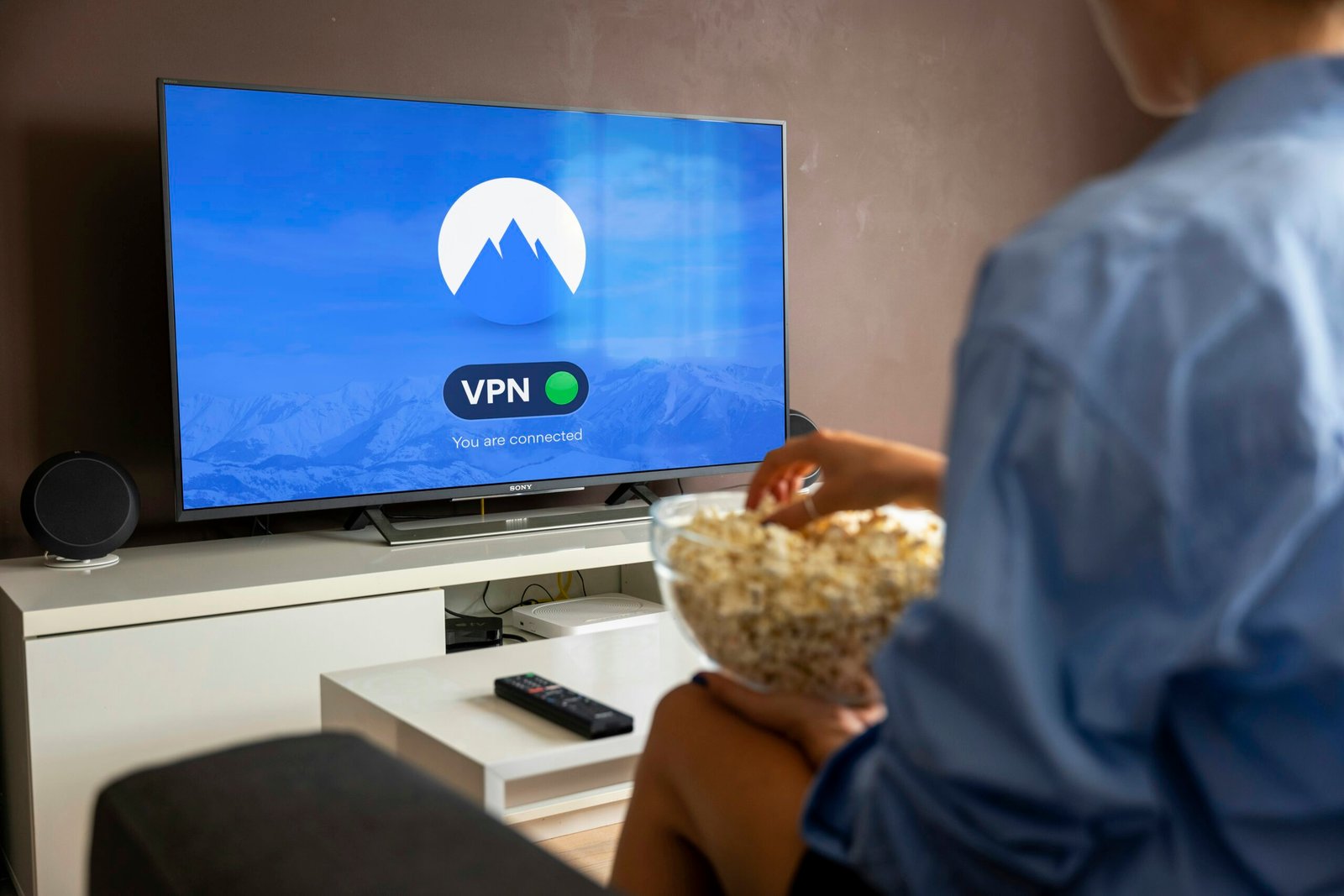
Finally, it is recommended to employ safe IPTV sharing tips, such as utilizing a Virtual Private Network (VPN). A VPN can enhance security and privacy during IPTV use, allowing users to share their sessions without compromising personal information. Overall, understanding these technical considerations is key to enjoying a smooth and efficient IPTV sharing experience.
Best Practices for Safe and Smooth Sharing
Sharing your IPTV session can enhance the viewing experience for multiple users, but it is essential to do so securely and efficiently. Following best practices is crucial to ensure the integrity of your IPTV connection while maximizing the experience for everyone involved. This section outlines several strategies for safe IPTV sharing that can be utilized by any user looking to share IPTV accounts effectively.
First and foremost, using secure connections is critical. When sharing your IPTV session, ensure that the internet connection is not only stable but also secure. It is advisable to make use of a VPN (Virtual Private Network) to help encrypt your internet activity, thus preventing unauthorized access and providing a layer of security against potential breaches that could arise from iptv session sharing with unknown users.
Additionally, effective password management plays a significant role in iptv sharing tips. Always utilize strong, unique passwords for your IPTV account, and change these passwords regularly. If you plan on sharing your account, consider creating a secondary login or limited access option depending on your IPTV provider’s features. By controlling access, you increase the safety of your account while ensuring that the users you share with can enjoy the content without interruption.
Moreover, communication about viewing times and availability is vital. Establishing a schedule over when the shared account can be used helps to avoid conflicts and ensures a smoother viewing experience for all individuals. Lastly, make sure that all users have a stable internet connection to reduce buffering and interruptions during viewing sessions, which will enhance the overall enjoyment of the service. By implementing these practices, you can ensure that your IPTV sharing experience remains both secure and enjoyable.
Troubleshooting Common Sharing Issues
Sharing your IPTV session can significantly enhance your viewing experience, but it can also lead to several common issues that need troubleshooting. Problems such as buffering, connection drops, and error messages can disrupt this experience. Understanding how to resolve these issues is essential for maintaining a smooth shared IPTV session.
Buffering is one of the most frequent problems encountered during IPTV sharing. It typically results from slow internet speeds or insufficient bandwidth to support multiple users. To minimize buffering, consider upgrading your internet plan or reducing the number of devices connected to the network. Additionally, if possible, sharing the IPTV account among users who are geographically close to each other can help distribute the bandwidth more efficiently.
Connection drops can also be a significant hurdle in sharing your IPTV session. These can occur due to unstable Wi-Fi connections or network overload. To address this issue, ensure that your streaming device is within the optimal range of the router. A wired connection can often provide a more stable and reliable service. Furthermore, restarting both the streaming device and the router can sometimes resolve temporary glitches that cause connection interruptions.
Error messages are another common obstacle when sharing an IPTV account. These messages may indicate problems related to authentication or account limitations. Always check whether the account has reached its maximum number of simultaneous streams, as exceeding this limit can prevent additional users from logging in. If you suspect that this might be the issue, coordinate with other users to schedule viewing times to avoid conflicts.
By implementing these troubleshooting tips, users can effectively address common issues related to IPTV session sharing, ensuring a smoother experience for all parties involved.